The Democratic Republic of the Congo (DRC) is a land of immense proportions—a place where the vast Congo River snakes through the world’s second-largest rainforest and where rare mountain gorillas roam the misty slopes of the Virunga Mountains. For adventurous travelers from the DRC evisa Federated States of Micronesia, the DRC represents a final frontier of travel.
However, moving from the tranquil islands of the Pacific to the vibrant pulse of Central Africa requires careful preparation. To bridge this distance, the Congolese government has simplified the entry process through the Ordinary Flying eVisa.
Do Citizens of Micronesia Need a Visa for the DRC?
Yes. Currently, there is no visa-waiver agreement between the Federated States of Micronesia and the Democratic Republic of the Congo. Every Micronesian citizen must hold a valid visa to clear immigration at any international airport, such as N'djili Airport in Kinshasa. Because there is no diplomatic mission in Micronesia, the eVisa system is the legal and most convenient channel for obtaining this authorization.
What is the DRC Ordinary Flying eVisa?
The Ordinary Flying eVisa is a digital document that serves as your pre-authorization to enter the country. Unlike the traditional sticker visas that require you to mail your passport to an embassy in another country (like Australia or Japan), the eVisa is handled entirely online. It is designed for:
- Tourism: Exploring national parks and cultural landmarks.
- Family Visits: Meeting relatives residing in the DRC.
- Business: Attending conferences, signing contracts, or exploring investment opportunities.
How to Apply for a DRC eVisa from Federated States of Micronesia?
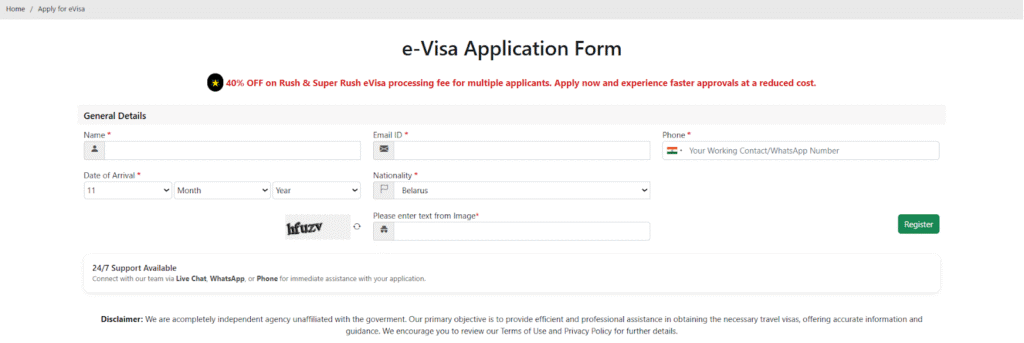
The application process is designed to be user-friendly. Follow these steps to avoid delays when you apply for a DRC eVisa.
- Fill the Form: Enter your personal details, passport information, and travel dates.
- Upload Documents: Attach digital copies of your passport and photo.
- Payment: Pay the administrative and visa fees using a secure online method.
- Download: Once approved, your eVisa will be sent to your email in PDF format.
What Documents are needed for the DRC eVisa?
To ensure your application is approved on the first attempt, prepare the following documents in high-resolution PDF or JPEG formats:
- Passport Copy: A scan of the bio-data page. Your passport must have at least two blank pages and be valid for 6 months beyond your arrival date.
- Passport Photo: A color photo taken within the last six months. Avoid wearing glasses or headgear (unless for religious reasons).
- Motivation Letter: This letter should be addressed to the Direction Générale de Migration. It must state your entry and exit dates, where you will be staying (hotel name or host address), and your specific plans (e.g., "visiting Kahuzi-Biega National Park").
How long does a Congo eVisa take?
The DRC immigration department offers three different speeds for processing. It is highly recommended to apply at least three weeks before your trip to account for any public holidays in the DRC.
- Normal Processing: 11 – 13 Working Days
- Rush Processing: 8 – 11 Working Days
- Super Rush Processing: 5 – 8 Working Days
What is the DRC eVisa Validity and Stay Duration
The DRC eVisa typically allows for a stay of up to 7 days upon arrival for the initial "flying visa." However, travelers can extend this to a standard ordinary visa for longer stays (usually 30 to 90 days) once they are in the country through the Department of Migration (DGM).
Can I apply for a Multiple Entry DRC eVisa?
Most eVisas issued online are Single Entry. If you are planning a multi-country African tour (for example, crossing into Rwanda to see volcanoes and then returning to the DRC), your single-entry visa will expire the moment you cross the border. If your itinerary requires multiple entries, you must clearly justify this in your motivation letter and be prepared to pay higher consular fees.
Can I Extend my DRC eVisa while staying in Congo?
Yes. If you wish to stay longer than the period granted on your eVisa, you must visit the Direction Générale de Migration (DGM) office within the DRC before your current visa expires. Staying past your visa expiry without an extension can lead to heavy fines or deportation.
What are the most common DRC eVisa Rejections?
To protect your travel investment, avoid these common mistakes:
- Inconsistent Data: Ensure the name on your application matches the name on your passport exactly (including middle names).
- Invalid Passport: Using a passport that expires in less than 6 months is a guaranteed rejection.
- Lack of Proof of Accommodation: Failing to provide a hotel booking or an invitation letter from a resident.
- Poor Photo Quality: Selfies or photos with busy backgrounds are often rejected by the automated system.
Is the DRC Safe for Tourists?
Safety in the DRC is regional, and travelers applying for a DRC Tourist Visa should stay informed about the areas they plan to visit
- Kinshasa & Lubumbashi: Generally safe for travelers who stay in secure hotels and use private transport.
- Eastern DRC: Areas like Goma and Virunga are beautiful but can be subject to sudden security changes. Always travel with a reputable tour operator and check current advisories from the Micronesian government or international bodies like the UN.
What are The Alcohol Rules in Congo?
Alcohol is legal and widely available in the DRC. The legal drinking age is 18. You will find local beers like Primus and Ngok are very popular. However, public intoxication is frowned upon, and it is best to consume alcohol in designated bars, restaurants, or hotels.
What is the best way to get around Congo?
Navigating Congolese cities can be chaotic.
- Private Hire: The safest option is to arrange a vehicle through your hotel or a reputable agency.
- Yellow Taxis: These are common in Kinshasa. Ensure you agree on a price before getting in, as they do not use meters.
- Motorbike Taxis (Wewas): Popular for beating traffic but are generally not recommended for tourists due to safety concerns.
How is Internet Availability in DRC?
Internet access is available in major cities but can be intermittent.
- Mobile Data: Buying a local SIM card (Vodacom, Airtel, or Orange) is the most reliable way to stay connected.
- WiFi: Major hotels in Kinshasa offer WiFi, but speeds may be slower than what you are used to in Micronesia.
- Coverage: 4G is reliable in Kinshasa and Lubumbashi. However, once you enter the rainforest or rural provinces, expect total disconnection.
What is the Currency to take to Congo?
The official currency is the Congolese Franc (CDF), but US Dollars are used almost everywhere. Ensure your US bills are printed after 2013 and are in pristine condition (no tears or marks), as vendors often reject older or "dirty" notes.
ATMs are Available in major cities and usually dispense US Dollars, but they can frequently be out of service.
What is the Best Time to Visit Congo?
The best time to visit the DRC is during the dry seasons (June to August and December to February). This makes trekking and wildlife viewing much easier, as roads become difficult to navigate during the heavy tropical rains.
Comments